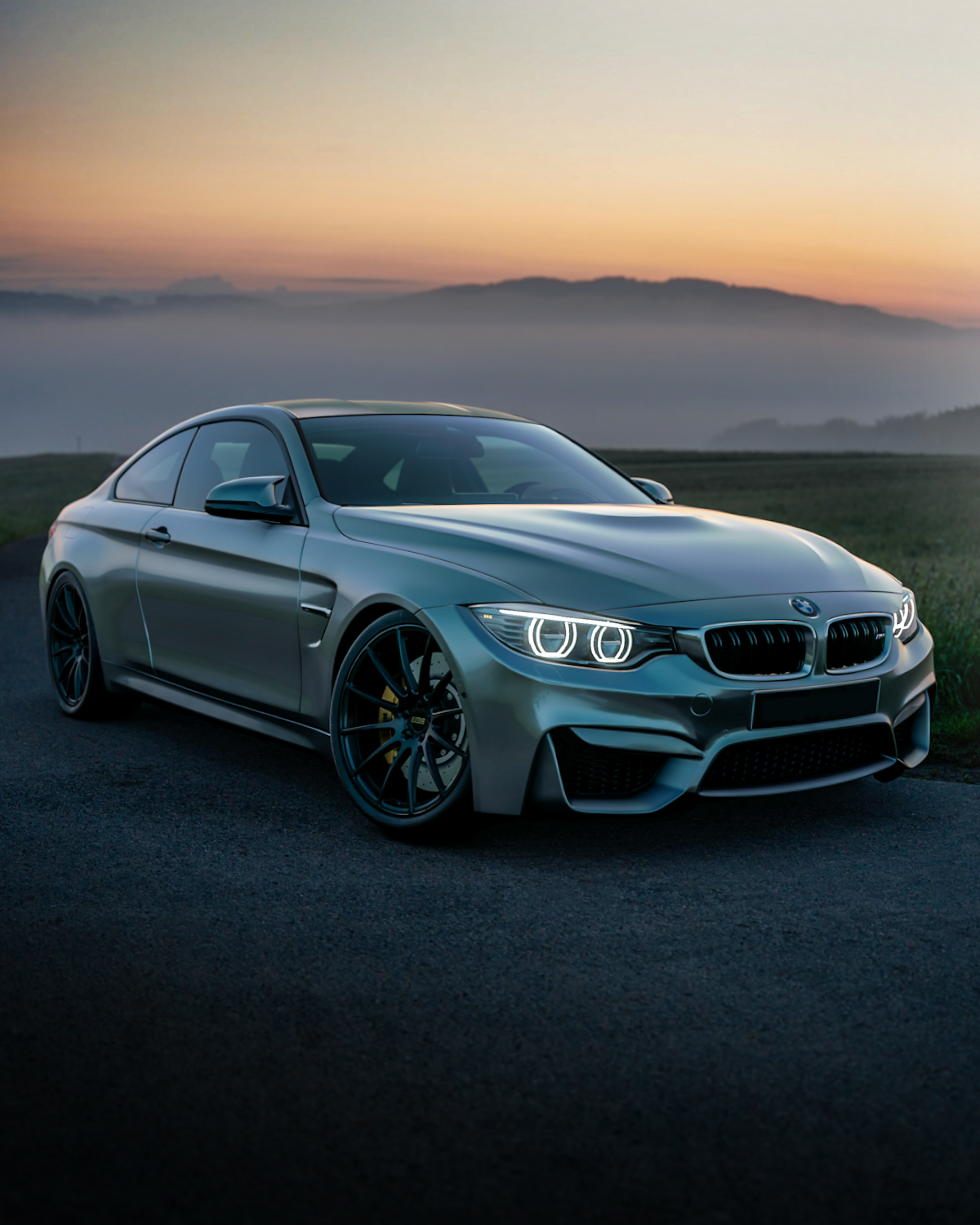
Photo by Tabea Schimpf on Unsplash
If you are starting driving lessons in 2026, you have a choice that did not really exist a decade ago: manual or automatic?
The number of automatic-only driving tests has been climbing steeply. In 2012, about 4% of practical tests were taken in automatic cars. By 2024, that figure was over 15% and rising. The shift is being driven by electric cars (which are all automatic), changing consumer preferences, and a generation of learners who simply do not see the point of a clutch pedal.
Here is the honest breakdown, from someone who has taught both.
The case for learning in an automatic
It is genuinely easier. No clutch control. No stalling. No gear changes. From minute one of lesson one, you are focused on the road rather than coordinating your feet. For many learners, this means fewer lessons and a shorter path to test readiness. I have seen pupils who struggled for months in a manual car pass within weeks in an automatic.
Electric is the future. The ban on new petrol and diesel car sales is coming in 2035. Every electric car on the market today is automatic. If your next car is likely to be electric, an auto licence covers you.
It suits certain learners better. If you have a disability that affects your left leg, find clutch control genuinely painful, or struggle with the multitasking element of a manual, automatic lessons remove a significant barrier.
The case for learning in a manual
You can drive anything. A manual licence lets you drive both manual and automatic cars. An automatic licence restricts you to automatics. That restriction matters less than it used to, but it still matters. If you ever need to hire a van, borrow a friend’s car, or take a job that involves driving a company vehicle, there is a decent chance that vehicle will be manual.
Job opportunities. Many driving jobs (delivery drivers, tradespeople, emergency services, driving instructors themselves) require a manual licence. Even jobs that do not require driving as a primary duty sometimes list “full manual licence” as a prerequisite. Locking yourself out of those options for the sake of a few hours of clutch practice is worth thinking about carefully.
Manual cars are still cheaper to buy. Used manual cars dominate the bottom end of the market. If you are a new driver on a budget, the cheapest cars available are almost all manual. The gap is narrowing as more automatics enter the used market, but it is still real.
You already have a manual car available for private practice. If Mum or Dad has a manual car and is willing to supervise, learning manual gives you free practice hours that an auto-only path would foreclose.
What it will cost you
Automatic lessons typically cost £2-£5 more per hour than manual lessons. The cars cost more to buy and maintain, and there are fewer automatic instructors, so supply and demand pushes prices up. But because most learners need fewer automatic lessons to reach test standard, the total cost often works out similar — or even cheaper for automatic learners.
One study by a major driving school found that automatic pupils averaged 10 fewer hours of professional instruction before their first test attempt. At £35/hour, that is a £350 saving, which more than offsets the higher hourly rate.
My advice (for most people)
If you are 17-25, have no physical reason to avoid manual, and can get private practice in a manual car: learn manual. The licence flexibility is worth the extra effort.
If you are older, short on time, find the coordination genuinely difficult, or know you will only ever drive electric: go automatic. A pass in an automatic is worth infinitely more than failing repeatedly in a manual you hate driving.
Either way, the right choice is the one that gets you driving safely. Do not let anyone shame you for choosing automatic. The DVSA does not. Your insurer does not. And no one at a traffic light has ever asked to see your licence category.